QUBIC, a new way to study the primordial universe
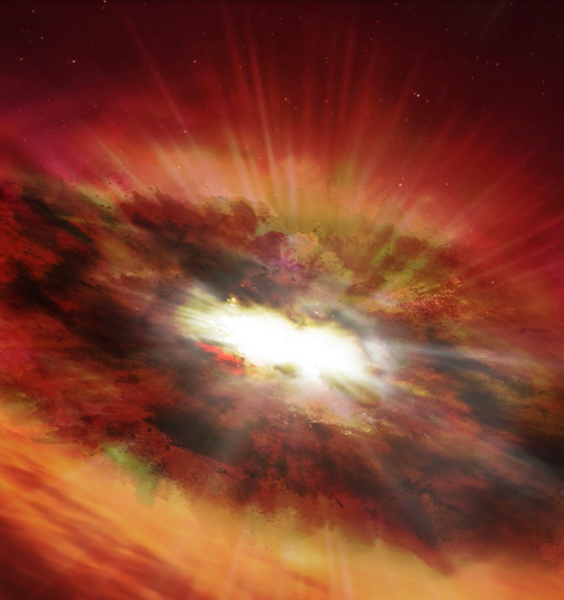
International research team detects supermassive black hole precursor lurking in archival Hubble data
Alzheimer's: a machine learning approach to identify genetic predisposition
Norway Spruce in Scandinavia: colonisation that started more than 10,000 years ago
Sapienza is awarded 9 Marie Skłodowska-Curie Postdoctoral Fellowships in the first MSCA-PF call of Horizon Europe
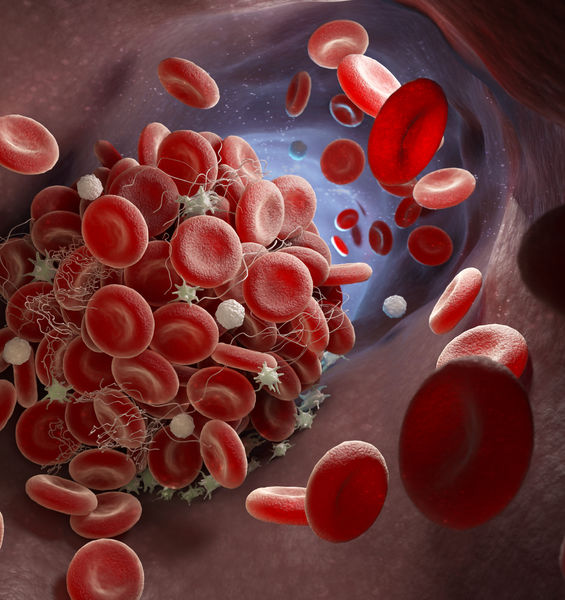
COVID-19: the 'perfect storm' that increases the risk of thrombosis discovered
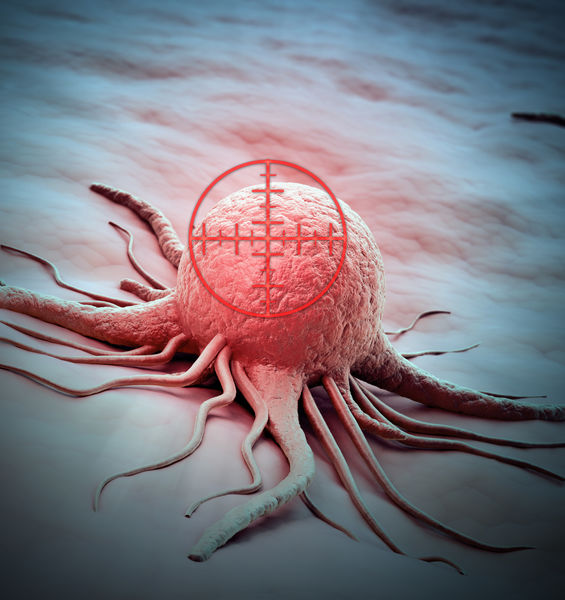
Invisible nanoparticles against tumours
Tunisian Sahara unveils 300,000-year-old tools and technologies
Chameleon-inspired biosensor for measuring glucose levels in urine
Sapienza EIC Week 2023
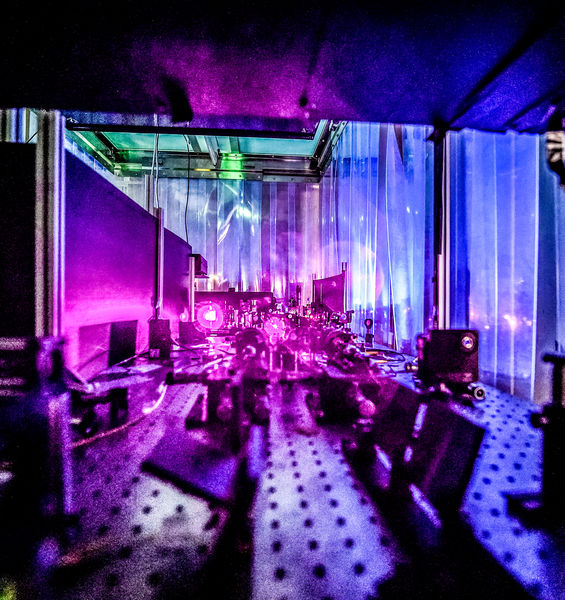
Identifying quantum phenomena through cause-effect relationships
Event in Italian: Grazia Deledda, a forgotten Nobel
Phlegraean Fields: new study to measure magma viscosity
Fossil of Europe's first wolf found in Rome
Fossil pollen study redraws the extent of the Black Death in Europe
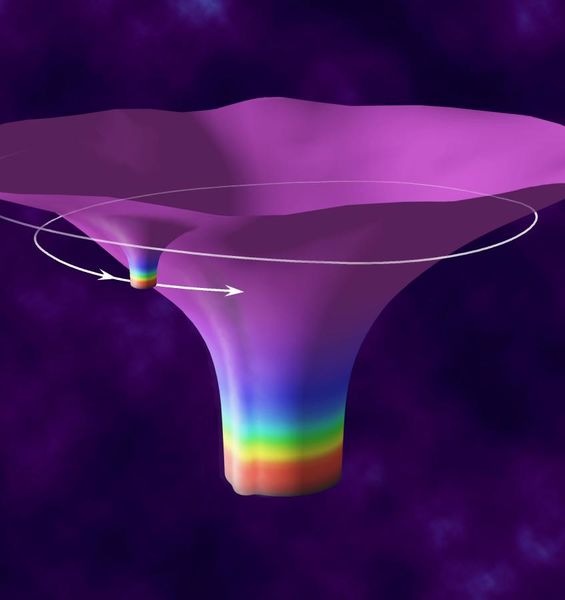
LISA and the discovery of new fundamental fields
Internet and social capital
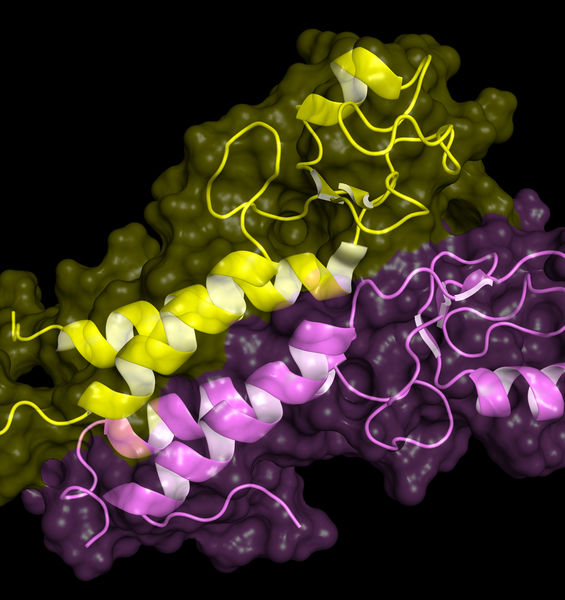
BRCA gene mutations: not only breast and ovarian cancer
New UNESCO Chair on Education and Research to Improve Urban Health and Wellbeing in Cities launched
Tartar analysis of 60 individuals living between 11,500 and 8,000 years ago reveals consumption of cereals and plants before the introduction of agriculture in Europe
Regulation for Principal Investigators
Two genetic mutations are responsible for the extraordinary cold resistance of the Fuegians, the ancient inhabitants of Tierra del Fuego
Invasive alien mammals threaten biodiversity in Europe
Rare pre-Columbian archaic settlement discovered in the Dominican Republic
© Sapienza Università di Roma - Piazzale Aldo Moro 5, 00185 Roma - (+39) 06 49911 - CF 80209930587 PI 02133771002